
Modern Folk Living
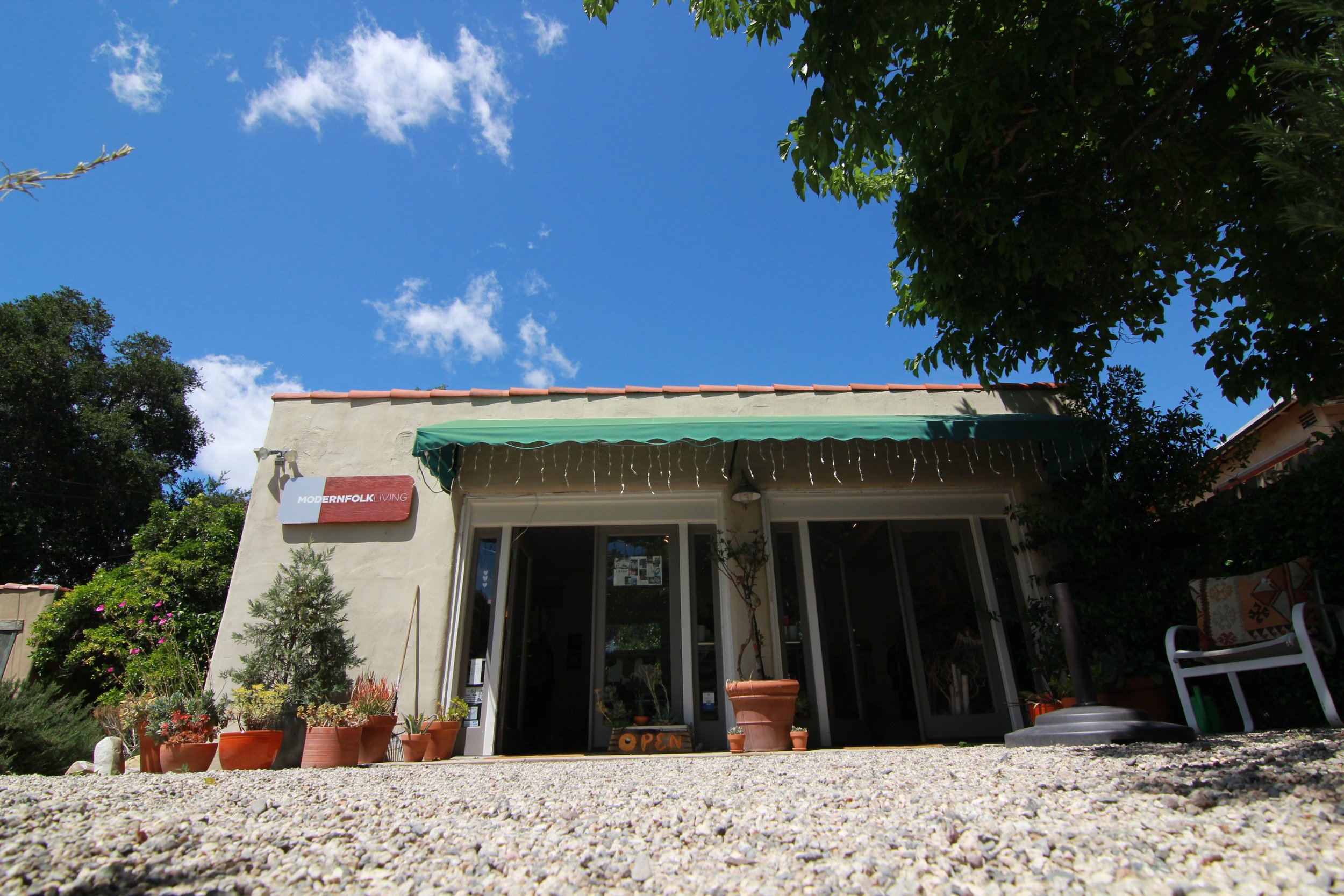
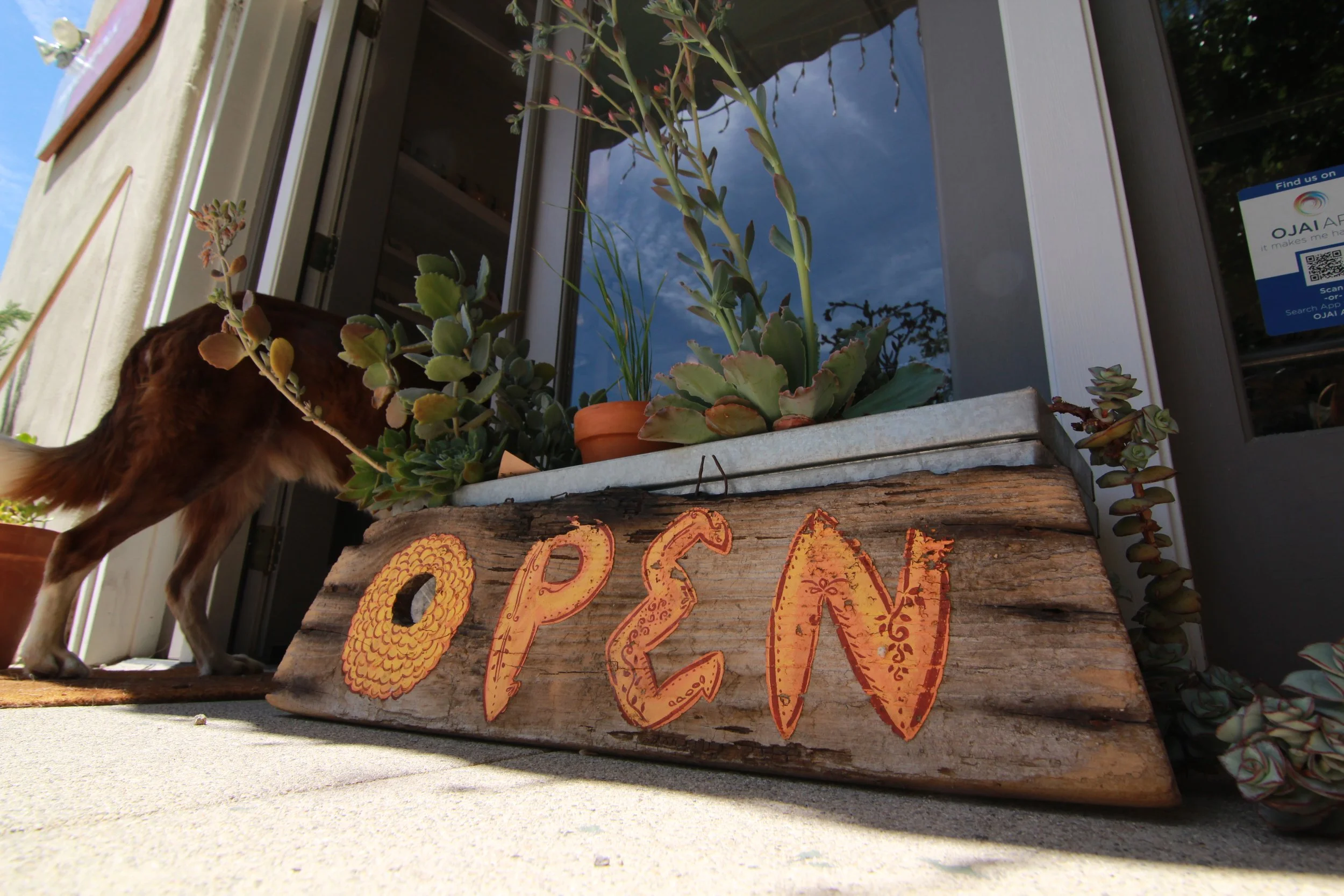
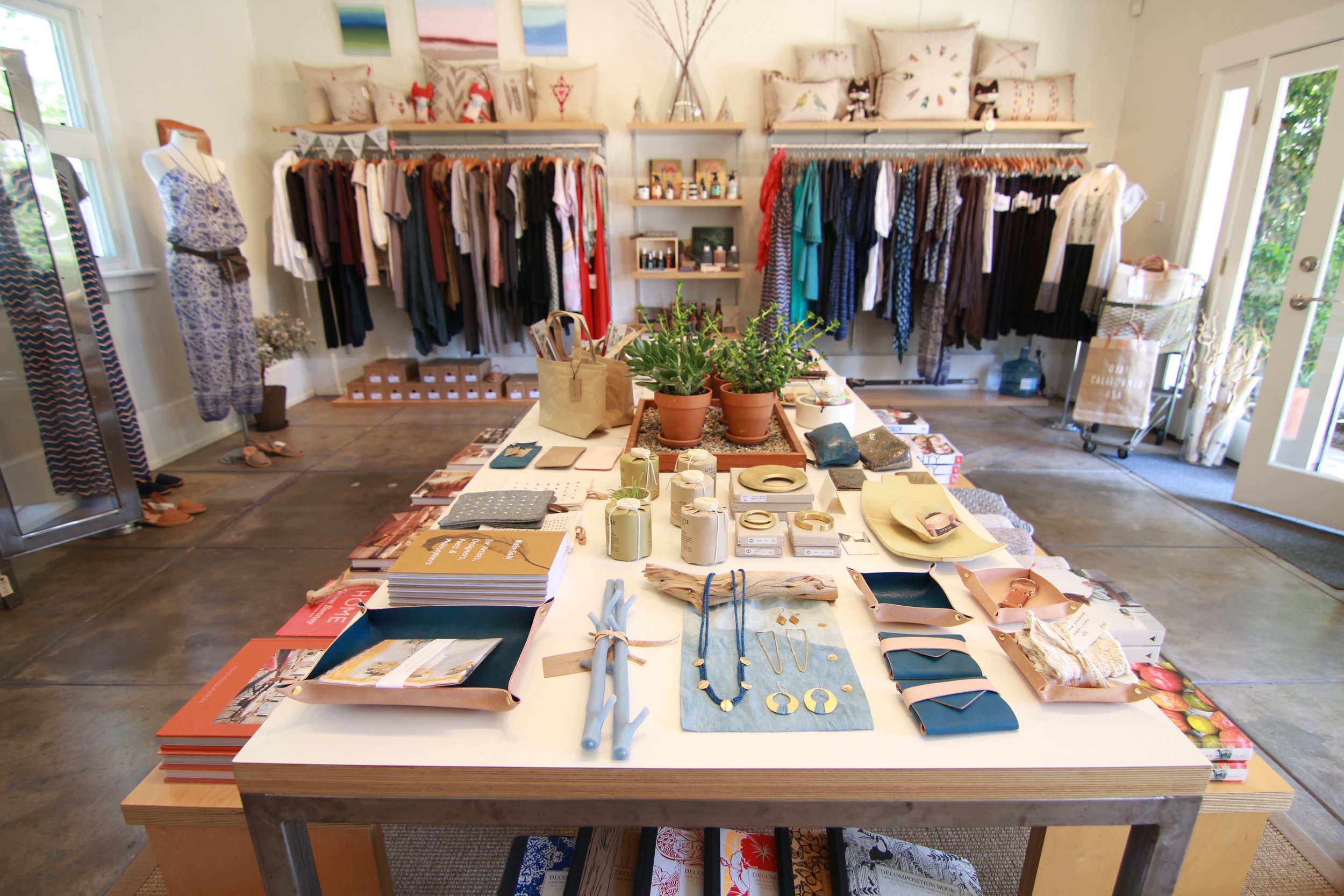
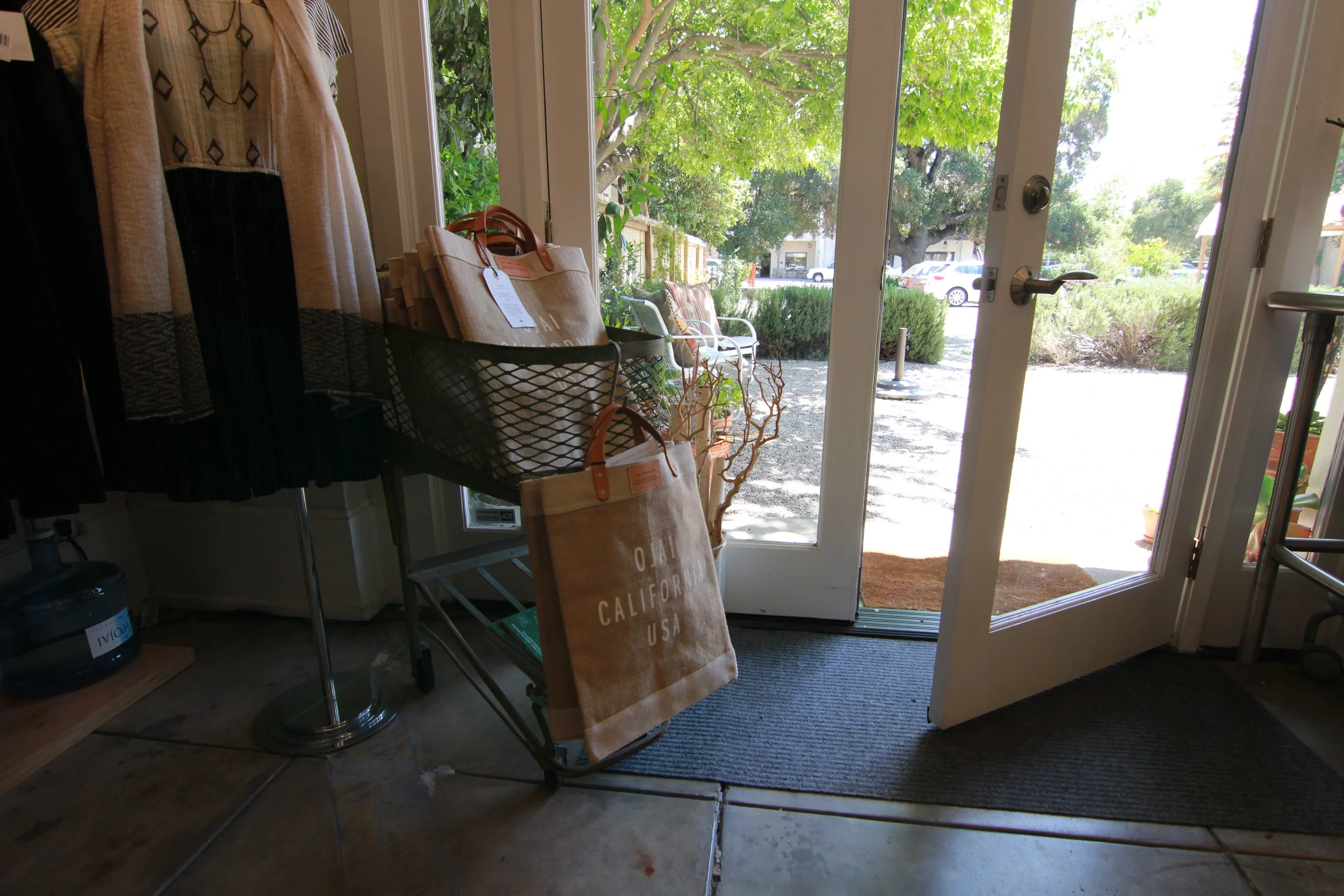
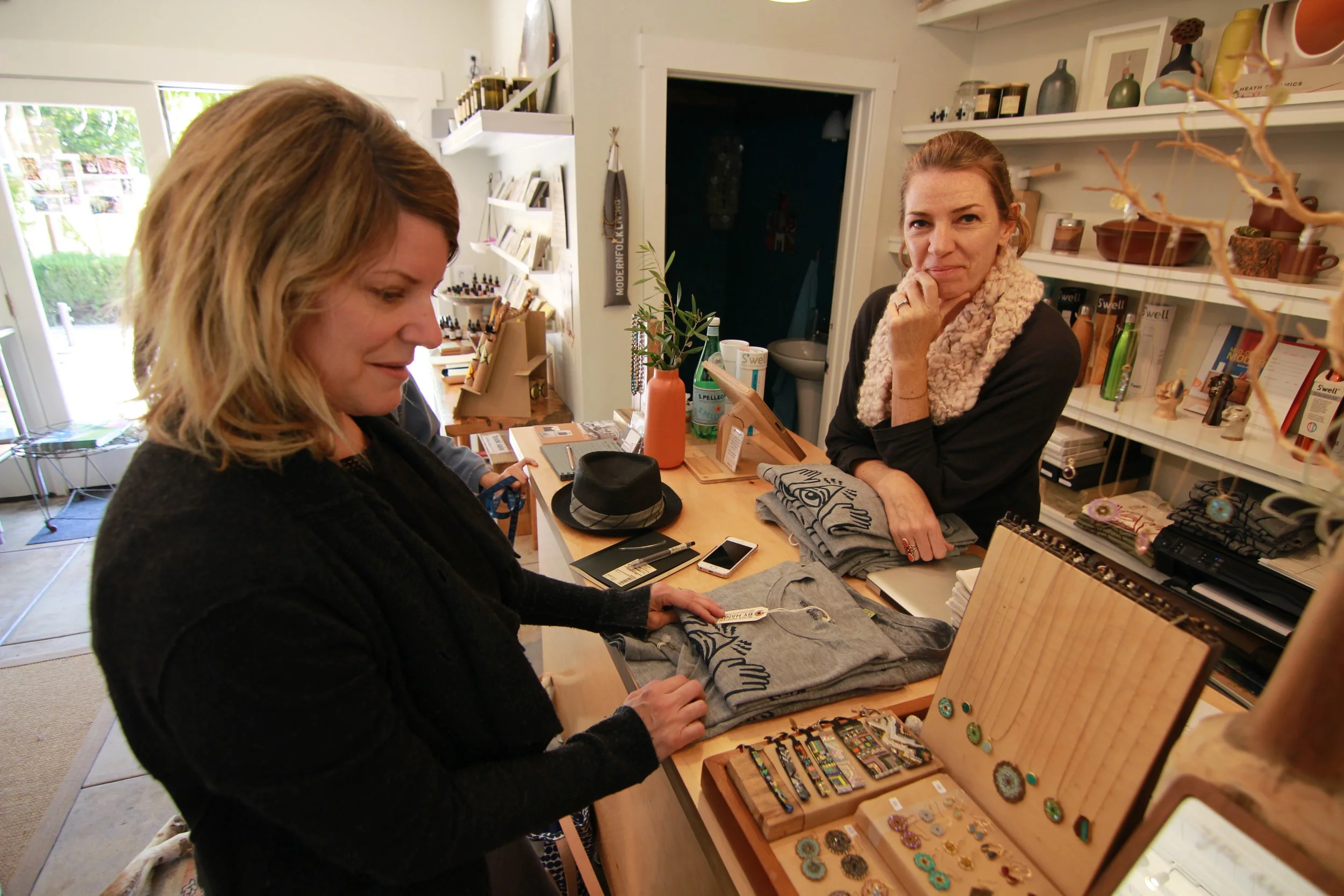
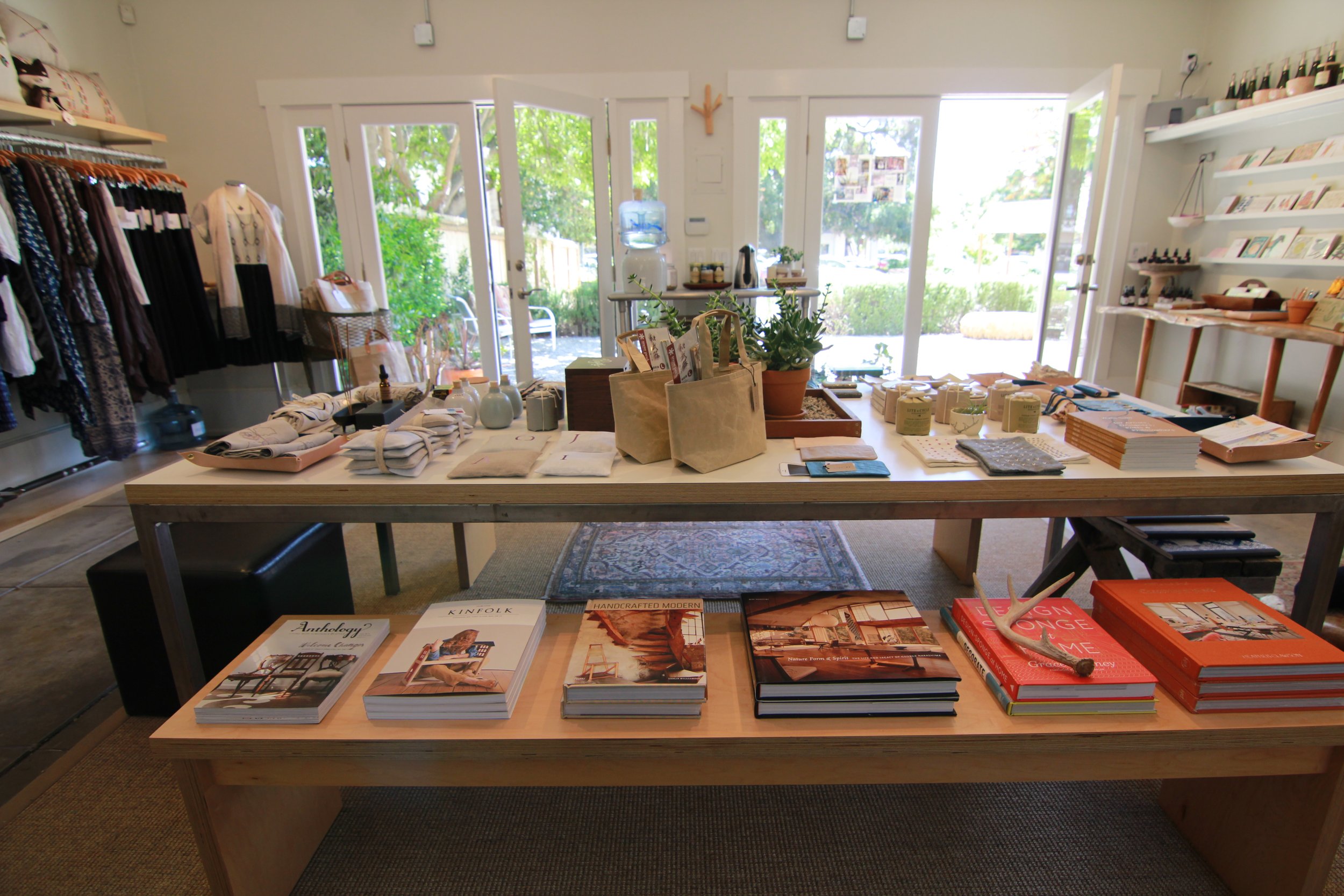
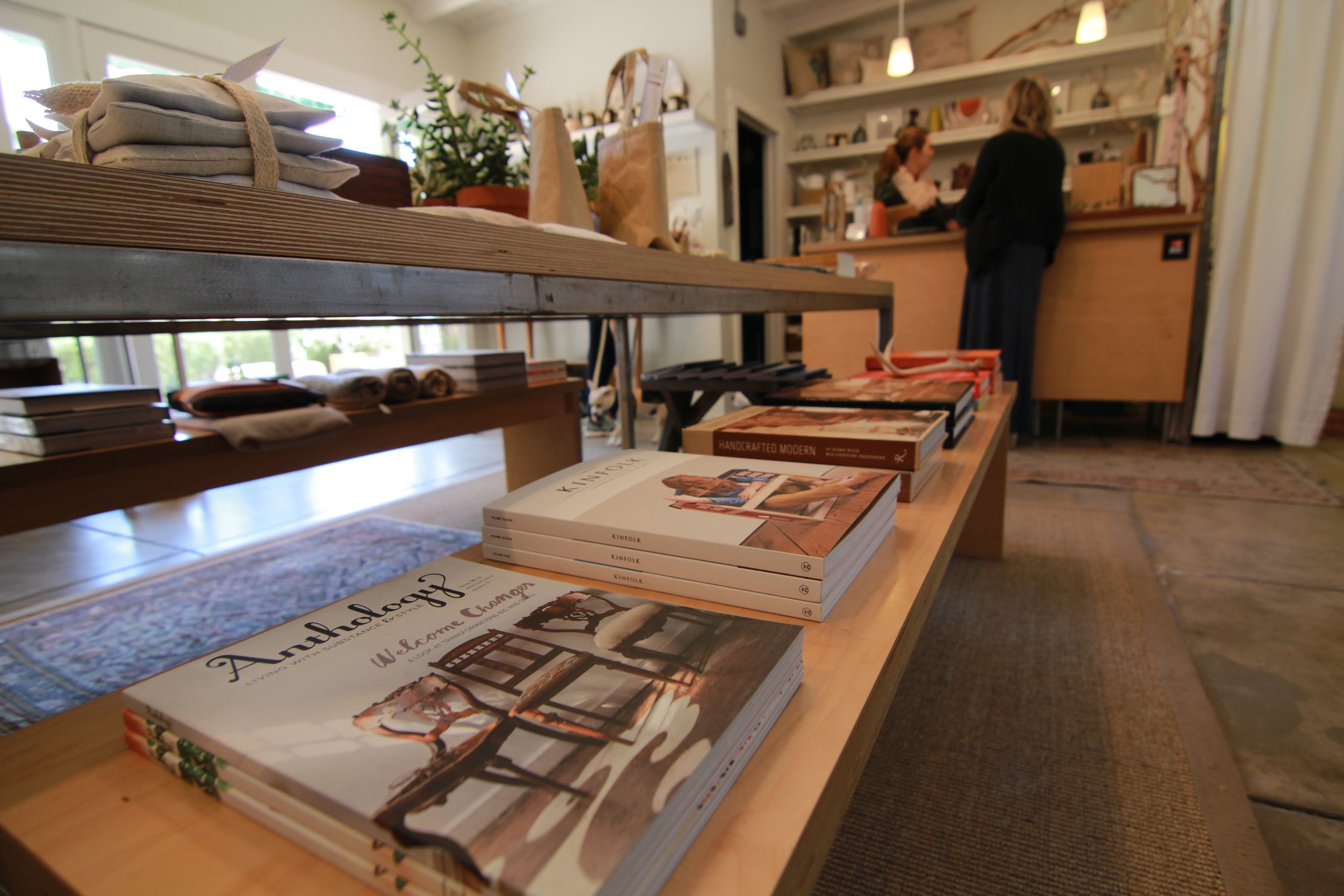

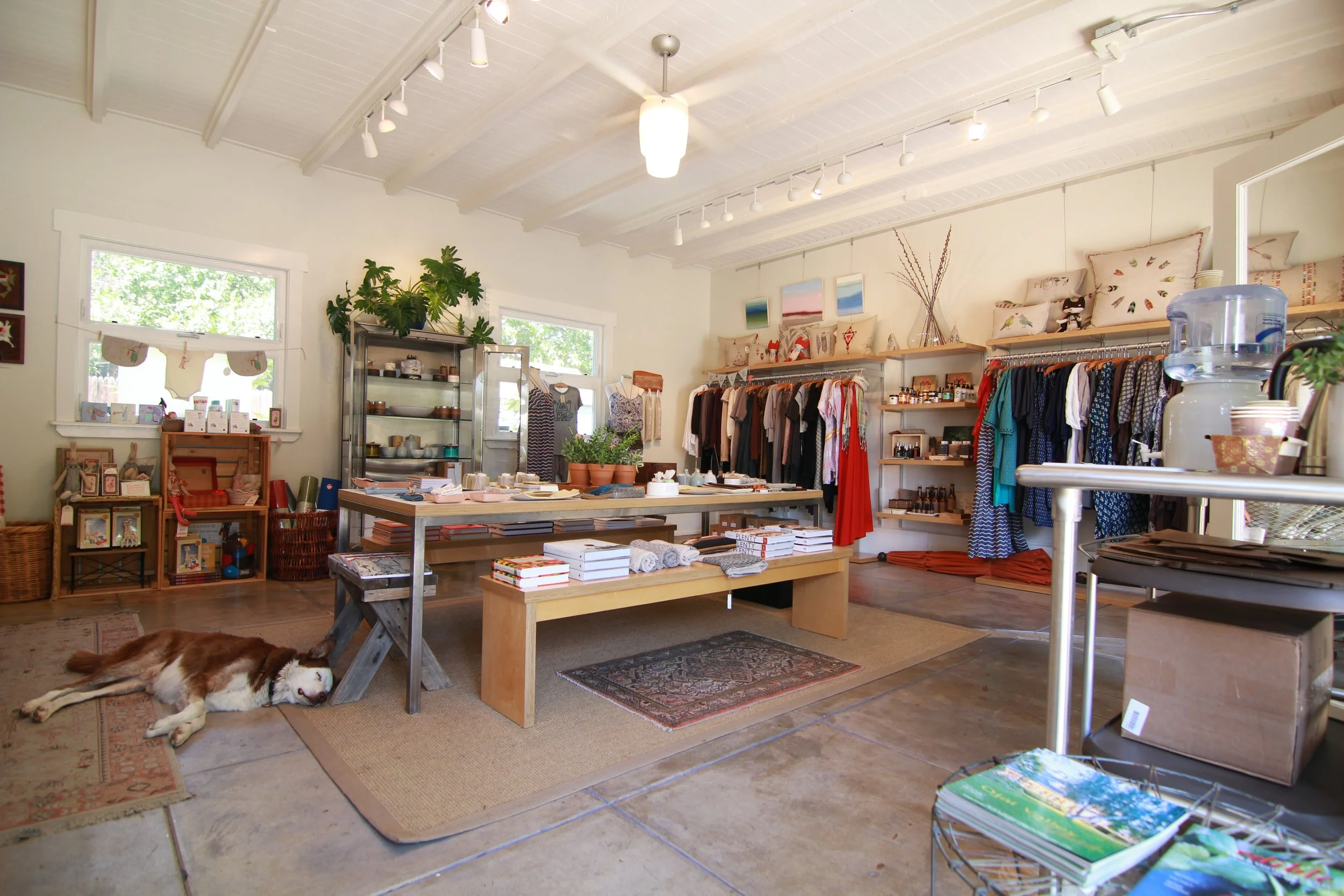
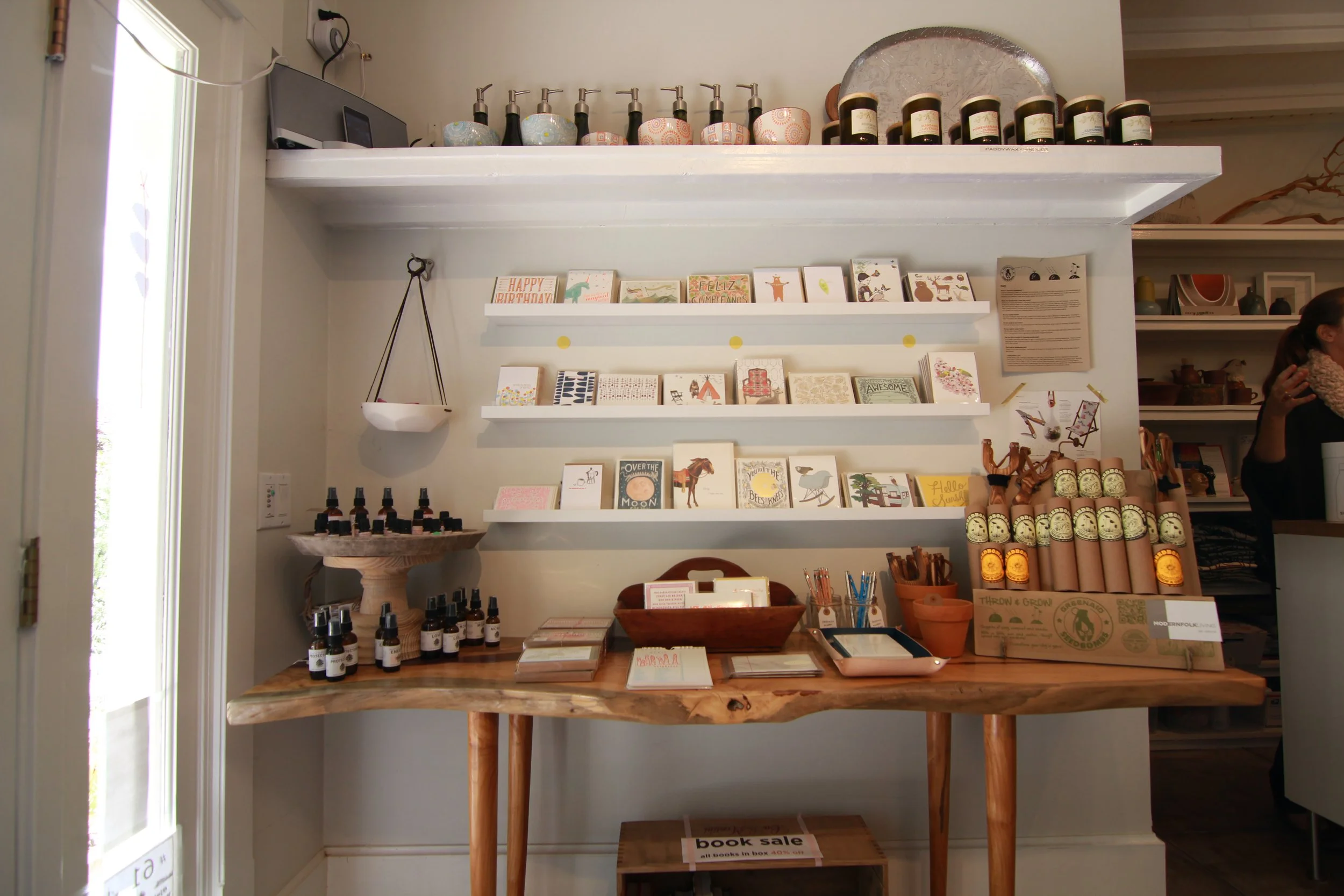
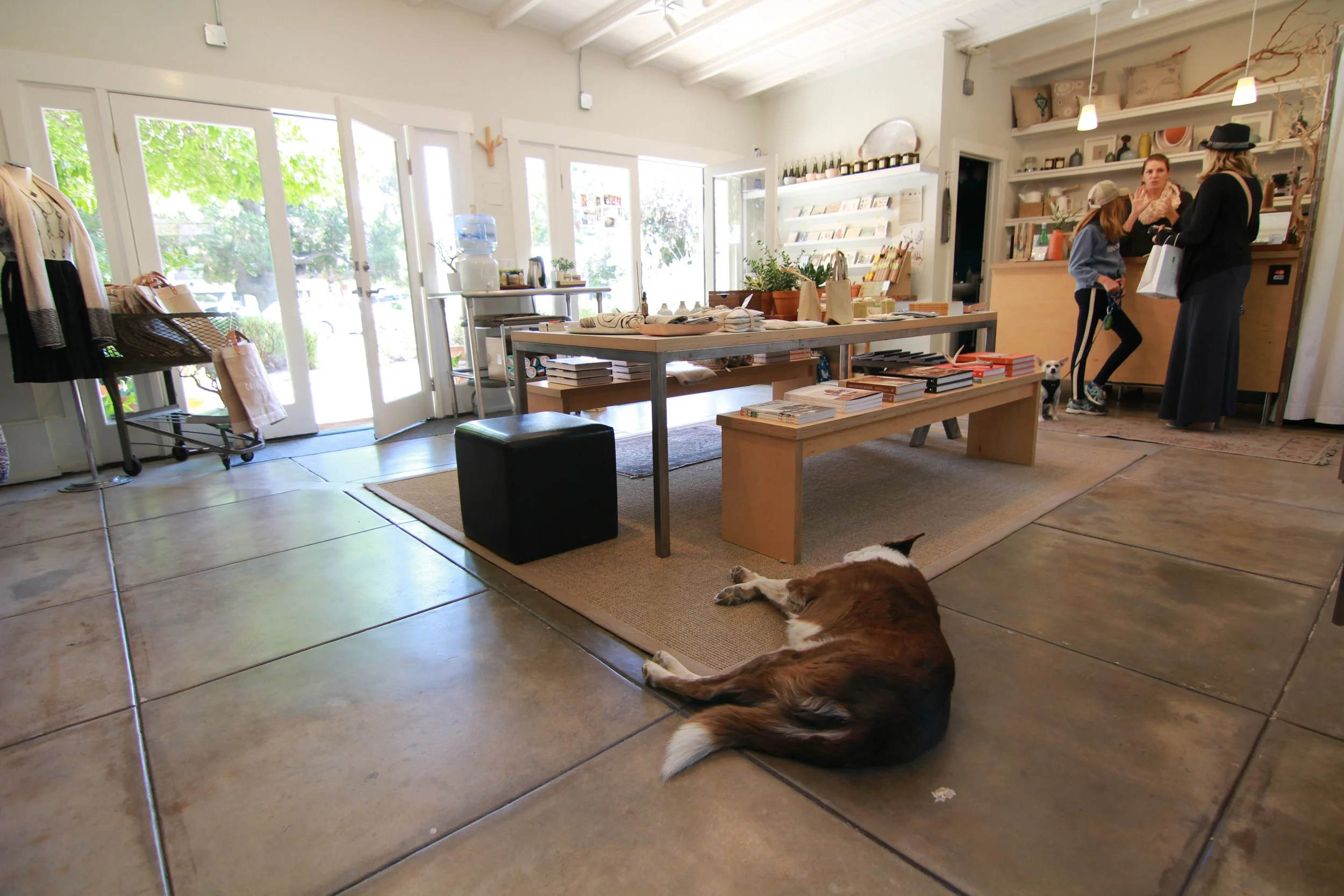
Just northwest of Los Angeles and east of Santa Barbara is one such town called Ojai. One thing that makes this town so special is that it enforces a city law prohibiting chain stores (other than some gas stations) which helps encourage and support small business development within the community. A favorite such business is a gorgeously curated shop called Modern Folk Living. Upon first entering the shop, there's an immediate feeling of calmness and optimism, perhaps because it’s former inhabitants were part of a Buddhist group (Modern Folk’s building was once used as a meditation room). The space is wonderfully bright with white walls polished concrete floors and a bank of glass doors that open out onto its serene surroundings. We were lucky enough to meet with owner/curator Wanda Weller and ask her a few questions on how she wound up in Ojai and established Modern Folk Living.
Modern Folk Living is an eco boutique: curated goods for living, wearing & giving.
Tell me how the name “Modern Folk Living” came about?
The idea came from the idea of going back to the crafted quality of things but having a modern sensibility and something that felt currant and contemporary. But really about capturing that yearning for handcrafted or knowing the stories behind the makers or product. That’s one of the biggest things when I was at Patagonia that I learned was to ask questions and know the stories behind the makers or the actual product if you can.
How long were you Director of Design at Patagonia?
8 years. It was pretty great.
What inspired you to make the move to open your own shop?
It was not an obvious thing. I left Patagonia more out of a desire to spend more time with my son as I was also the Director at Adidas and had another job in between. It always felt like I was going, going, going. We moved to Ojai for the idea of being a little bit more slowed down. My son was still at an age where I felt like he wanted me around therefore leaving Patagonia, and actually took two years off. I was taking a Yoga teacher certification class at the space next door to this space and during one class I asked her what was going on with this building as it was vacant. The Yoga teacher told me she was the person to talk to if I wanted to talk about it and before I knew it I was signing a lease and I was like ‘I’m opening a store’. It was never on my radar. But when I was at Patagonia, the thing that I loved doing was collecting these stories and finding things that were trending and putting them all together in a story. That would be the "seasonal theme". So I kind of used that same idea in putting this collection together so it feels curated.
Patagonia is known for its quality in its clothes and collections as well as their commitment to the environment. Do you feel that it influenced the Eco aspect of your own store?
Yeah, I think that is my underlying directive when I’m looking for stuff for the store. It may not be literally checking of every mark of sustainability but it could be made locally or made domestic or made from a family company in Japan. It’s more about the quality and timelessness of something. The longevity of things is important to me, some stuff in some regards may be a little more expensive and other ways not but to me it’s more about the quality and that the thing that you want, hopefully you keep it and not make it disposable. Heath Ceramics have such a wonderful heritage story, or another piece from a Danish company that’s family owned. It’s just neat to find these little nuggets. Like Juniper Ridge, everything is wild crafted in nature so that stuff is pretty amazing. They were actually just in Ojai so hoping they do a local blend that’s limited edition.
What do you like about being in Ojai?
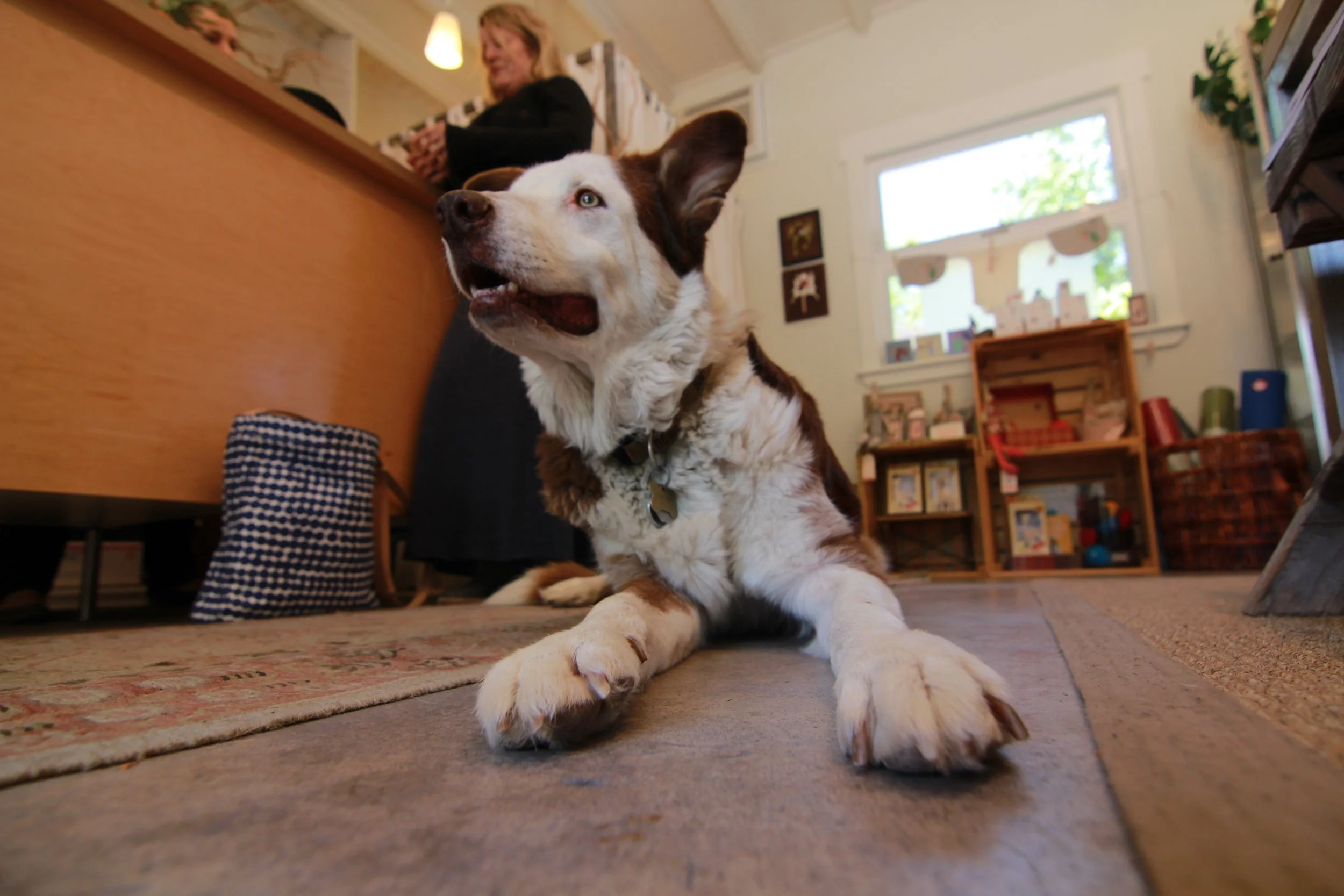
I just love the immediacy of nature, I walk my dog Bosco, (the shop mascot), before I come in and I’m just constantly thankful that I get to live in a place like this and I get to do something that I have a creative outlet in a beautiful community. And it really is a community, you don’t feel lost as there’s connections to people and stores and product. I don’t think I could of done this in Los Angeles. Not to start out. I maybe could now but starting here 2 ½ years ago was so much more relaxed.
I’ve just read that you host Kinfolk Events, can you tell us a bit about that?
What’s so interesting about that is that I reached out to them because I wanted to do an event here at the store, because I just thought that there was such a kindered spirit in what we do. At that moment they said that next year we’re going to start this thing where we’re going to invite hosts to run our events within their own community. The idea was to just bring to life what they feature in their magazines but make it tangible and local. So in May we’re hosting the Kinfolk dinner, it sold out in 10 hours so that was pretty crazy. What I love about them is that the people there are so tuned into those little gestures of connectedness and humanness. When ever I would do something, the woman who is my contact there would always write me a hand written thank you note, just these lovely gestures. Having that kind of outlet in addition to this feels very aligned and synchronistic.
Tell me what you look for when buying for your shop.
I think I just look for something I really love and that the story behind it inspires me. People that I want to meet and talk to them about what their doing, how they’re doing it and why their doing it. The stories are important.
Your store seems full of creativity but it’s not overwhelming, there is a certain simplicity along with it that works really well. What that intentional?
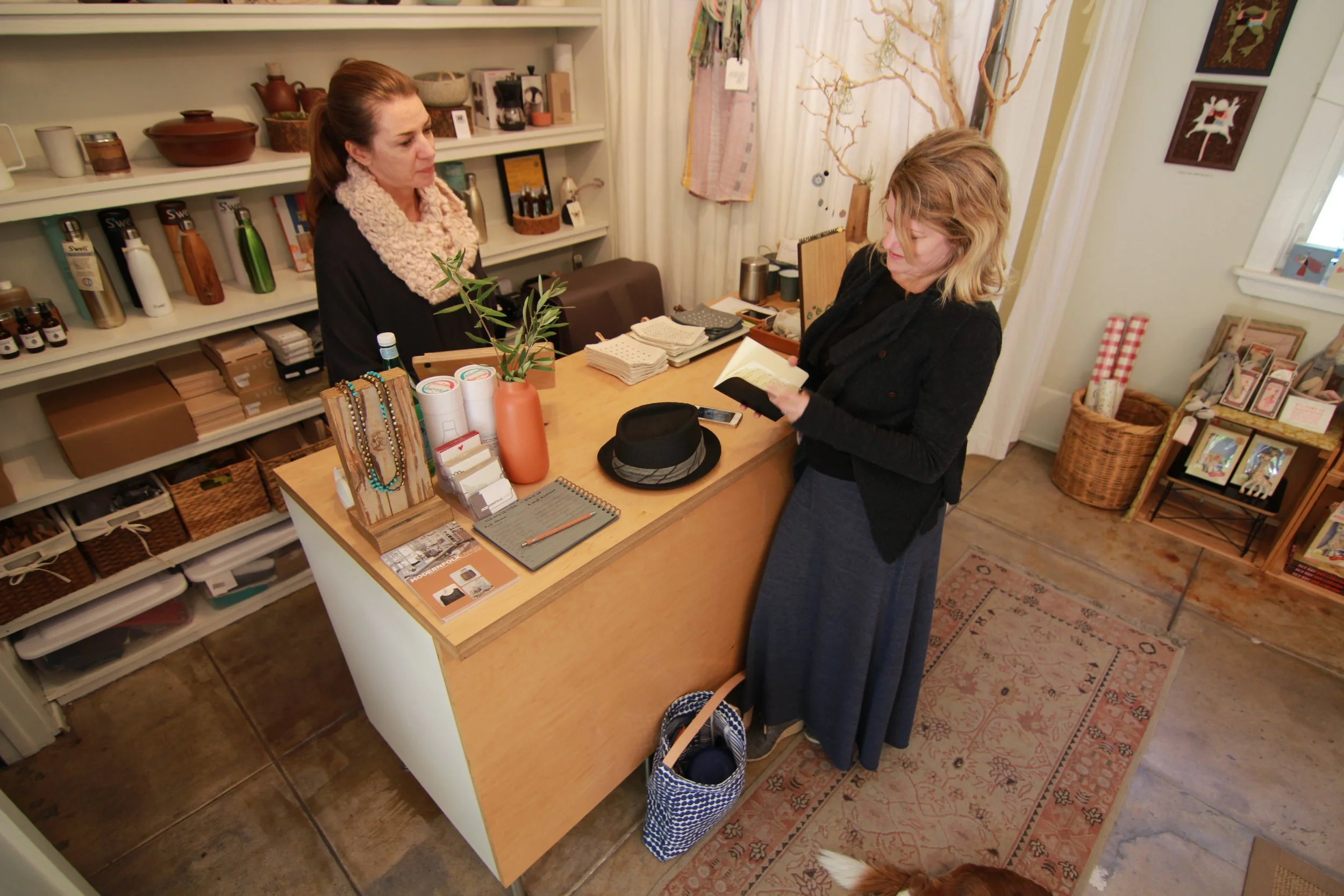
That was very purposeful for me because I start twitching if I go into a department store. I just get so sensory overloaded. There is a purposeful flow around the center table. My husband made the table with the intention of having classes and gatherings in here. So if I have something, I’ll just clear off the table to use it. We used to have this thing called creative cultivators, it was just a group of local artists and we’d meet once a month. They’d all work independently in their own space so it was an opportunity for us to come together as a community sort of thing. I’m just starting back up with workshops and trunk shows and that sort of stuff.
Where do you see yourself in 5 years?
Hmmm, well there is a store in Portland, Oregon called Beam & Anchor and what I love about it is that the whole upstairs are the makers and the downstairs is the commerce. It’s celebrating what they do upstairs but it also brings in other things to curate along with what they do, as they don’t cover everything, but what I loved about my career in the fashion industry was that I was always around a group of creative people. Here I’m alone usually so if I think if I have a vision for the future it would be to have this plus the joint of the space with a lot of creative people making things and supporting each other. Like the table but on a bigger scale.
Photos © Devin Sarno
